The Architecture of Presence: A Sensory Prelude to the Gallery
In our modern, hyper-accelerated world, we often enter a museum "off the street" carrying the residue of digital pings, city clamour, and a lingering to-do list. The result is the inevitable museum fatigue: that sudden wave of exhaustion that hits after a mere fifteen minutes of wandering.
To truly inhabit a space, to find synergy with the art and the architecture, we must first design our own state of mind. We must treat a visit not as a tour, but as a "sensory bath."
The Ritual of Pre-hab: Neurological Stillness
Allow 20–30 minutes before entering.
Before your eyes meet the first canvas, your nervous system must shift from reactive to receptive.
Aural Solitude: Isolate yourself from the urban din. Don headphones with pink noise or minimalist, wordless compositions. This "cleanses" the brain’s auditory pathways.
The Visual Reset: Practice Palming. Cover your eyes with your cupped palms for two minutes, allowing your receptors to rest from blue light and constant motion.
The Intention of One Adjective: Ask yourself: Do I wish to feel stillness, awe, or perhaps a productive unease today? Do not seek encyclopedic knowledge; seek resonance.
Embodied Cognition: The Symphony of Five Senses
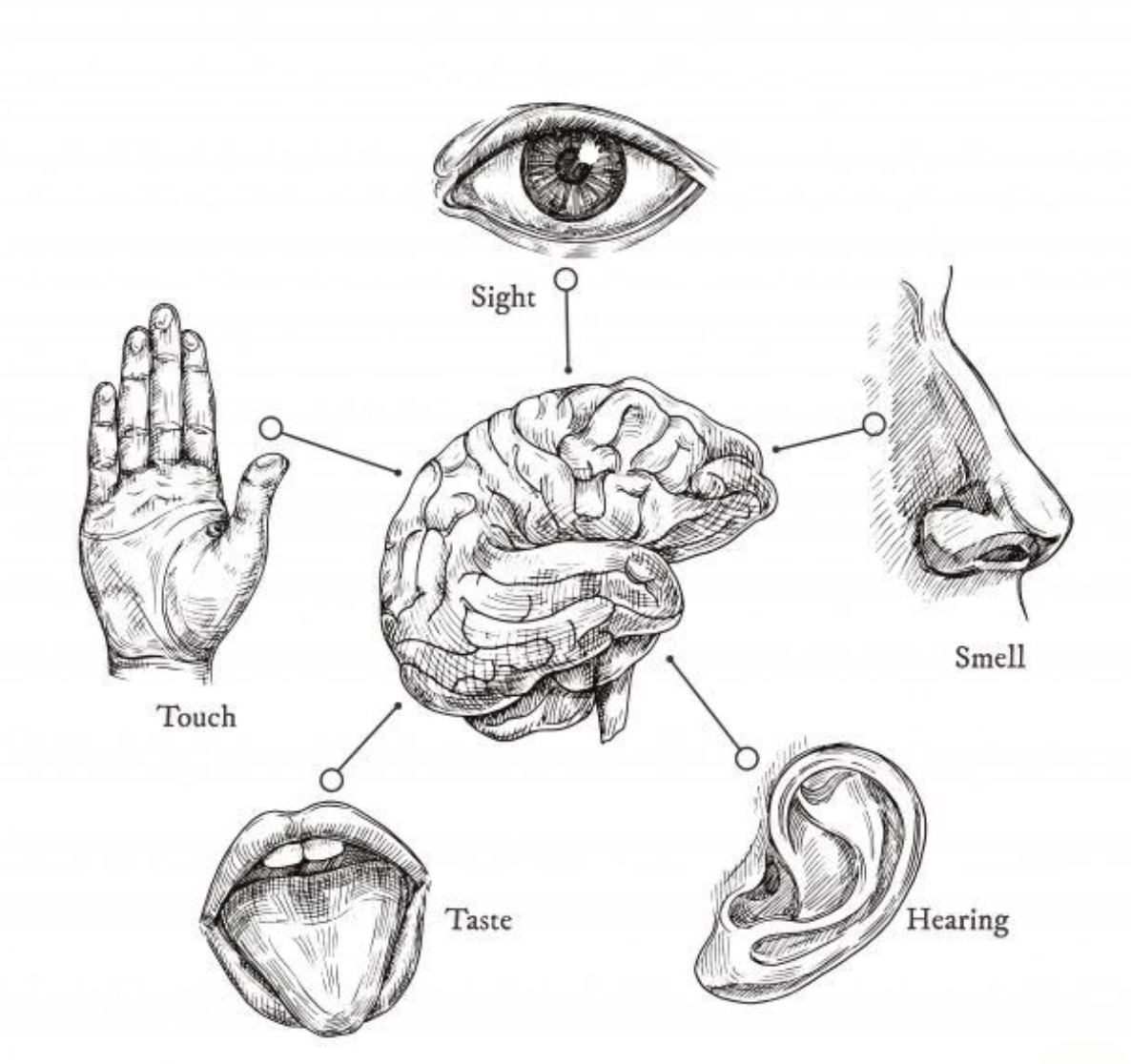
Neuroarchitecture teaches us that a building speaks to the entire body, not just the eyes.
The Haptic Connection: Even when the art is untouchable, the architecture is not. Run a hand along the cool grain of a limestone wall or the rough tactility of plaster. It anchors you in the "here and now."
Olfactory Memory: Lean into the scent of waxed wood, ancient dust, or the crisp neutrality of modern concrete. Scent bypasses the analytical brain and speaks directly to the limbic system, awakening deep seated memories.
Proprioception: Notice how your body feels in a soaring, empty hall versus a dim, intimate alcove. Allow the architecture to dictate the rhythm of your breath.
The Somatics of the Visit: Attire, Bare Feet, and the Caffeine Trap
In the realm of embodied cognition, the brain does not stop at the skull; it "thinks" through the skin and the soles of the feet.
Clothing as a Second Skin: Restrictive or synthetic fabrics send subtle distress signals to the amygdala. Opt for natural fibers linen, wool, or silk that allow your body to "breathe" the atmosphere.
The Power of Grounding: If the gallery is a boutique space or a private home, removing one’s shoes is a revelation. Our feet house thousands of receptors. Feeling the temperature of stone or the friction of timber is the swiftest way to sense the building's true scale.
The Dopamine Trap: Espresso before a visit is a tactical error. Caffeine sharpens the analytical left brain. To enter a state of flow and deep empathy, drink your coffee afterward. Let the caffeine then stimulate the consolidation of memories and post-visit conversation. Beforehand, choose only pure water to ensure the brain's fascia remains receptive.
The Solitary Flâneur: A Date with Oneself
While companionship has its charms, a sensory museum visit is best experienced solo. This allows your mirror neurons to react purely to the art, rather than the emotions or the pace of a companion. This is "Museum Bathing" a concept akin to the Japanese Shinrin-yoku (forest bathing). It provides a profound restoration of directed attention, lowering cortisol and sparking non-linear problem-solving.
From the Gallery to the Home: Design Inspirations
As architects, we can translate this museum-grade mindfulness into our private and public spheres:
1. The Domestic Sanctuary
The Contemplative Niche: A space devoid of electronics, centered around a single object a sculpture, a painting, or a framed view of nature designed for "sensory soaking."
Lighting Scenarios: Moving beyond mere illumination to "directed moods," such as a single spotlight on a cherished object, mimicking the focus of a gallery.
2. The Public Realm
Buffer Zones: Designing entrances that force a "slow down" perhaps through a change in floor texture or a curved path that delays the reveal of the interior.
The Architecture of the Pause: Urban furniture that encourages a semi-reclined posture, shifting the gaze upward to the canopy of trees and changing one's cognitive perspective.
3. Product Design with Soul
Haptic Touchpoints: Objects of daily use brass handles, timber switches that age gracefully and provide a tactile "hello" to the user.
The Acoustics of Objects: Crafting the sound of a closing door or a boiling kettle to create harmony rather than chaos.
A Final Thought
Architecture is not merely walls and voids; it is the interface between your body and the world. Preparing for a museum visit is a masterclass in awareness a skill you can bring back to your own living room, designing a life that is deeply felt and exquisitely lived.
A Small Challenge:
During your next visit, find one texture or scent that reminds you of your childhood. Notice how the architecture around you amplifies that memory.
Olfactory Anchors
(Notes for the Mind)
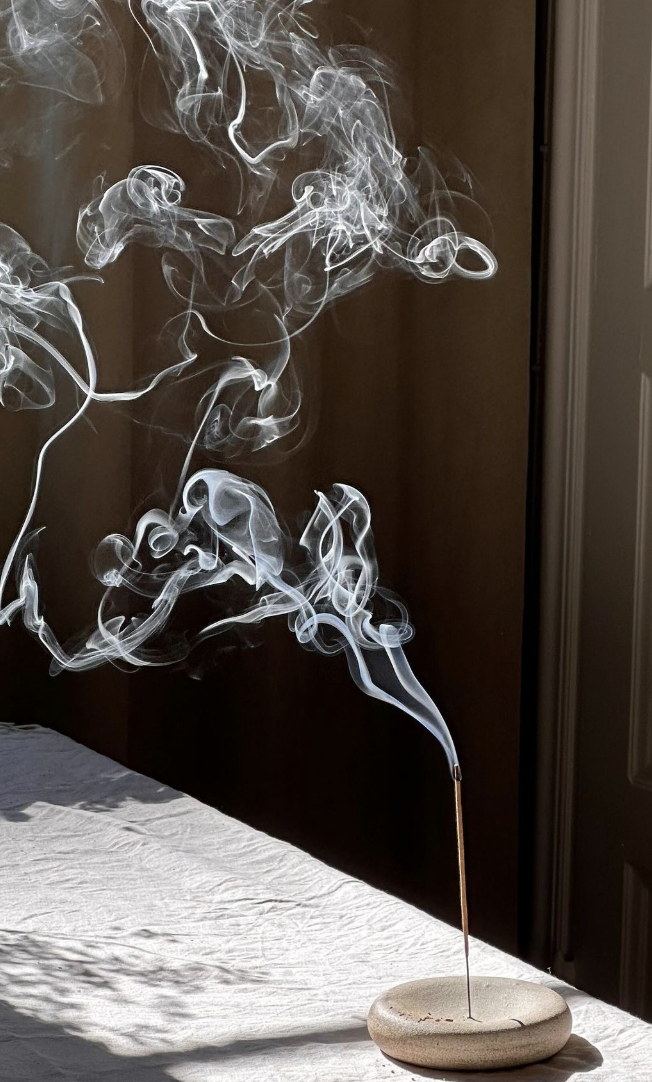
Unless the exhibition is about scent itself, use these as personal rituals:
Palo Santo: To clear the mental "hard drive."
Bergamot: To open the heart to new interpretations.
Frankincense: To deepen the breath.
Cedarwood: To evoke the weight and wisdom of history.