Preserving Luxembourg’s Domestic Heritage
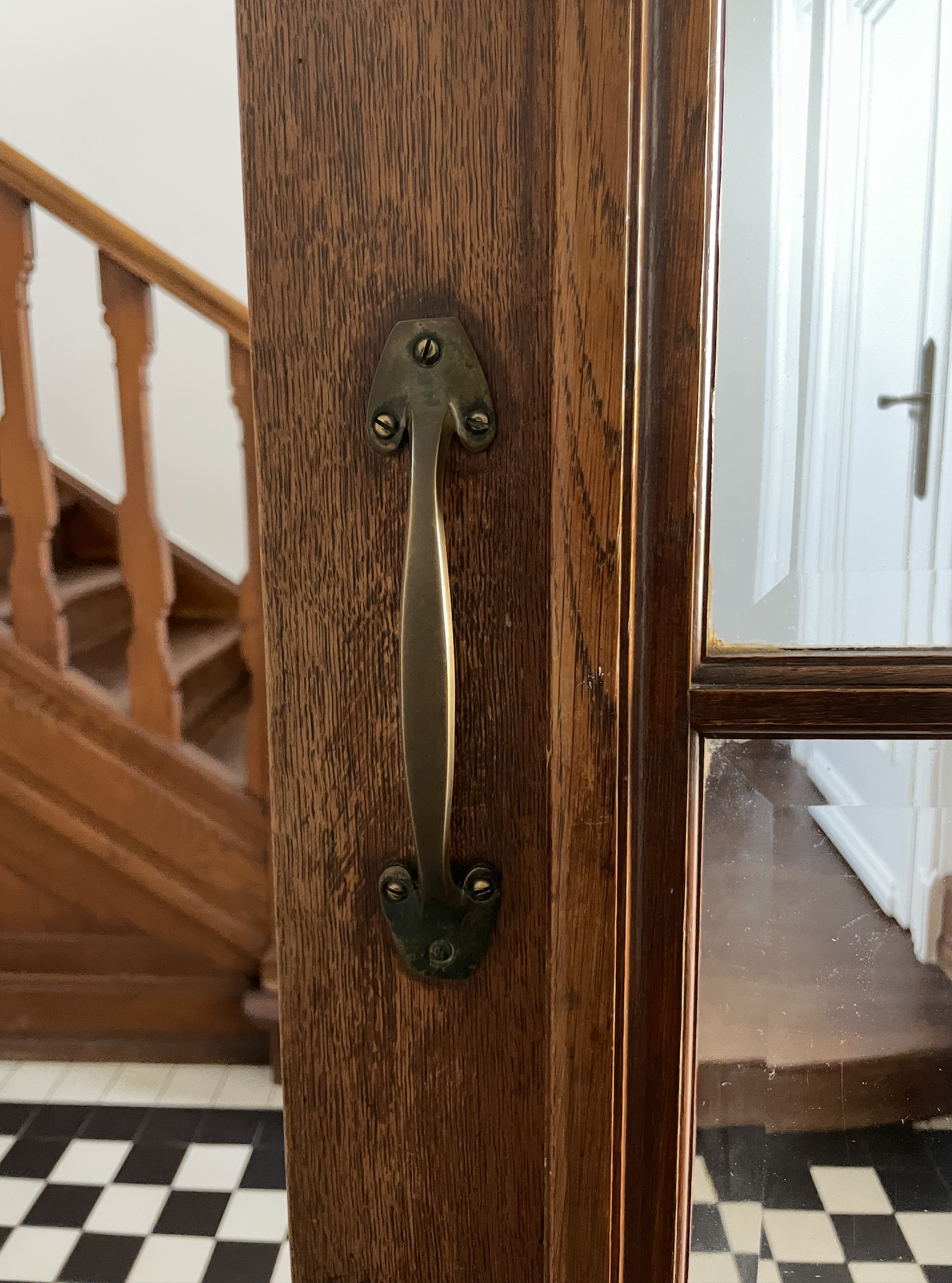
The Soul of the Stones.
In the quiet, cobblestoned streets of Limpertsberg or the historic heart of the Grund, Luxembourg’s architectural identity is hidden behind heavy oak doors. While the city accelerates toward a glass and steel future, there is a growing movement of discerning homeowners rediscovering the "slow luxury" of heritage interiors. At LIVETOUCH, we believe that a residence is not merely a space, but a narrative. To live among historical elements is to act as a curator of a story that began long before us.
Preserving these assets isn’t just about nostalgia; it’s about the tactile quality of a life well-lived.
A Field Guide to Luxembourgish Craftsmanship
How do you distinguish a mass-produced imitation from a piece of Grand Ducal history? Look for the "imperfections" of the human hand.
The Weight of Entry: Authentic entrance doors in Luxembourgish townhouses (18th–early 20th century) are deceptively heavy, often carved from solid local oak. Look for hand-forged iron knockers and original transom windows (impostes) that allowed gaslight to spill into the streets.
The Geometry of the Floor: If the parquet features a "Point de Hongrie" (chevron) or "Bâton Rompu" (herringbone) pattern with varying grain textures, it is likely original. In kitchens and hallways, look for Mettlach tiles (Villeroy & Boch)—their colors are through-and-through, meaning the pigment is part of the clay, not just a surface glaze.
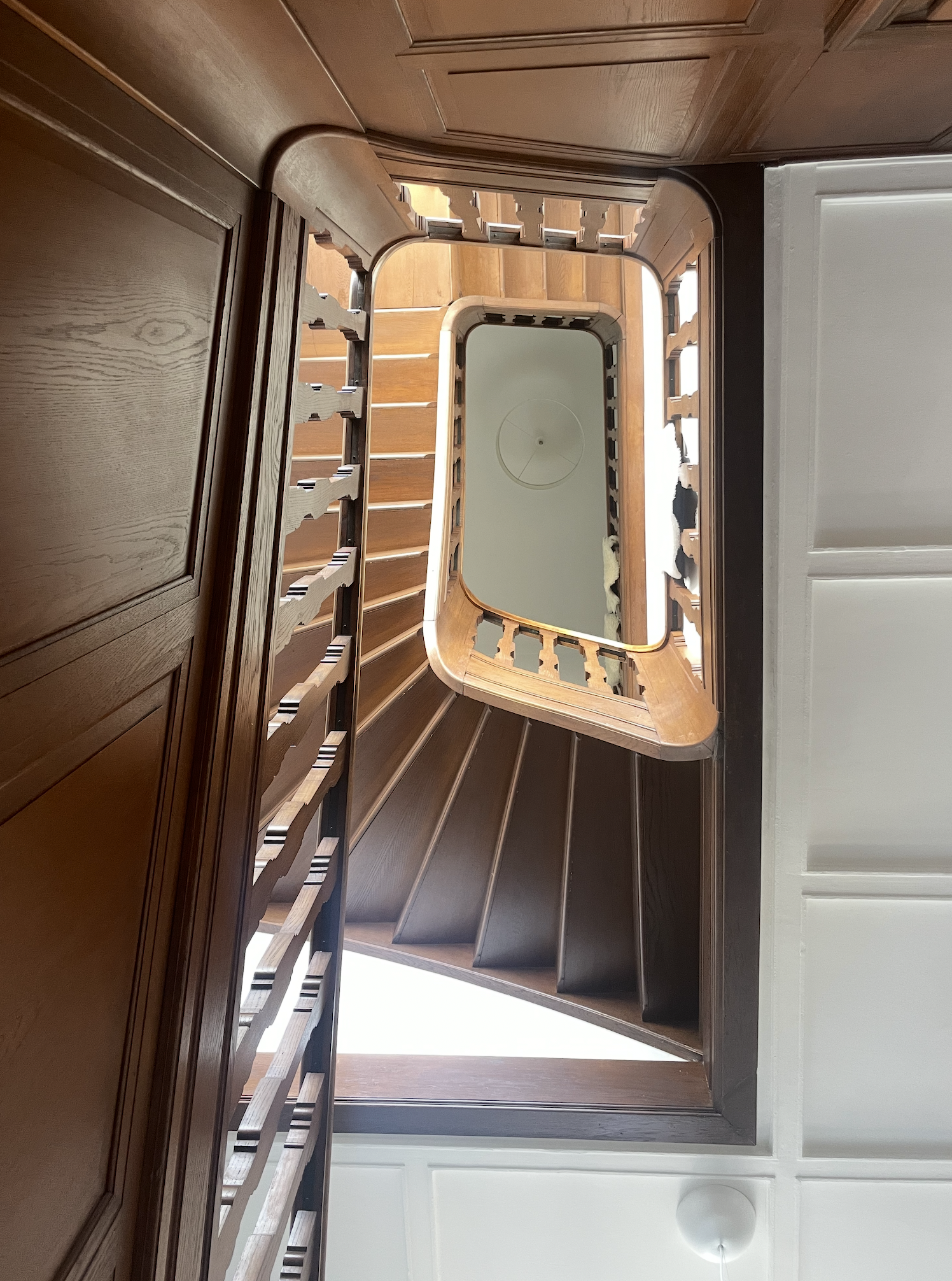
The Curvature of the Ascent: Heritage staircases are masterpieces of joinery. Feel the underside of the handrail; if it is smooth, continuous, and follows a complex "swan neck" curve without visible modern brackets, you are touching a work of art.
The Noble Material Palette
Luxembourg’s interiors traditionally drew from the wealth of the Ardennes and the Moselle valley.
Solid Oak & Walnut: The backbone of Grand Ducal joinery.
Ardennes Slate & Pierre de Luxembourg: Used for fireplaces and grand entryways.
Cast Iron: Often found in decorative radiator covers or ornate balcony railings.
Mouth-Blown Glass: Found in internal door panels, characterized by slight "waves" or tiny air bubbles (seeds).
Stucco & Lime Plaster: Natural, breathable materials used for ceiling roses and cornices.
A Sensory Symphony: The Neuroarchitecture of Heritage
Why does a restored 19th-century apartment feel "better" than a white-box modern build? Science suggests our nervous systems crave the complexity found in traditional crafts.
Sight (Visual Complexity): Intricate moldings and wood grains provide "fractal" patterns that reduce cortisol levels and eye strain.
Touch (Haptic Feedback): The coolness of natural stone and the warmth of waxed wood offer a grounding tactile variety that synthetic laminates cannot replicate.
Sound (Acoustic Softness): High ceilings paired with thick lath-and-plaster walls create a specific "hushed" acoustic profile, absorbing sharp echoes.
Smell (Olfactory Memory): The subtle scent of old beeswax on parquet or the mineral aroma of lime-wash walls triggers a sense of permanence and safety.
Intuition (The Sixth Sense): Neuroarchitecture posits that "patina"—the visible age of a surface—connects us to a timeline of human continuity, fostering a deep sense of belonging.
The Restoration Guardians
Restoring these elements requires a specific "triumvirate" of artisans. You aren’t looking for a general contractor; you are looking for:
Le Menuisier-Ébéniste: For the surgical repair of parquets and the stabilization of sweeping staircases.
Le Staffeur-Ornemaniste: The specialist who repairs crumbled plaster moldings using traditional molds and hemp fibers.
Le Ferronnier d'Art: To restore the intricate ironwork of entrance doors and window guards.
Support and Governance in the Grand Duchy
Luxembourg offers significant support for those brave enough to preserve. The Service des Sites et Monuments Nationaux (SSMN) provides grants and tax deductions for the restoration of "classé" buildings. Furthermore, reduced VAT rates (3%) may apply to renovation works, provided the property is a primary residence.
However, navigating these waters requires a steady hand. In Luxembourg, the title of Architecte d'Intérieur OAI(Ordre des Architectes et des Ingénieurs-Conseils) is not just a badge of prestige it is a guarantee of technical and legal competence. An OAI architect ensures that your renovation respects heritage laws while modernizing the "unseen" infrastructure (heating, insulation) without damaging the historical fabric.
Partner with LIVETOUCH
At LIVETOUCH, we specialize in the bridge between yesterday and tomorrow. Our studio, based in the heart of Luxembourg, approaches every heritage project with a "light touch" philosophy: preserve the soul, enhance the comfort.
We invite you to transform your heritage property into a contemporary masterpiece that honors its origins. Whether it’s reviving a set of double-leaf internal doors or reimagining a slate-floored hallway, we bring the expertise of the OAI and a curated network of master craftsmen to your doorstep.
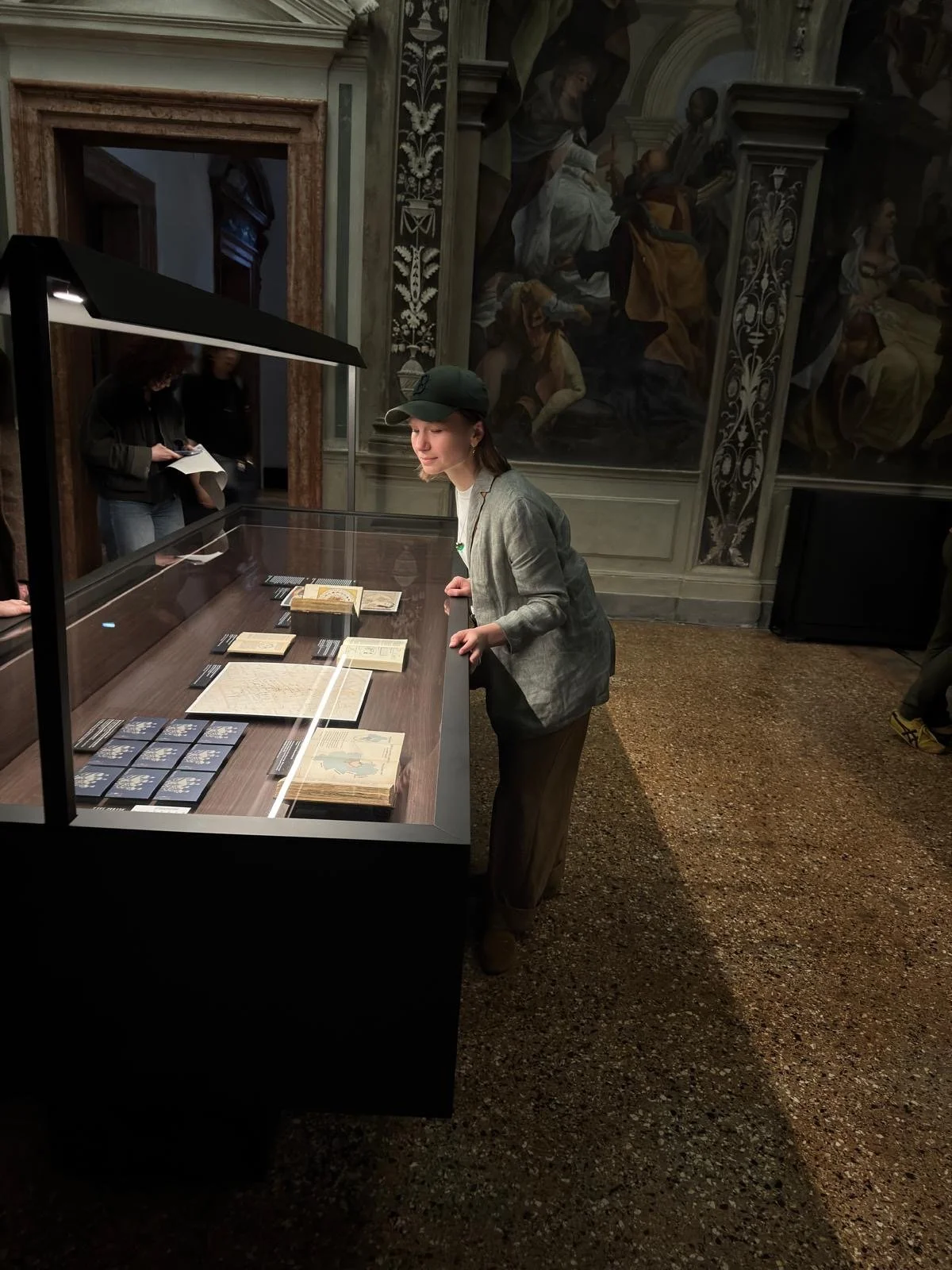
Let’s define the next chapter of your home’s history. Together.
LIVETOUCH Architectural Studio Luxembourg | Interior Architecture & Heritage Consultation