The Complete Guide to House Renovation in Luxembourg: Costs, Permits & Process
The Complete Guide to House Renovation in Luxembourg: Costs, Permits & Process
Everything expats need to know before buying a fixer-upper — from the first viewing to the final invoice, with real numbers and zero guesswork.
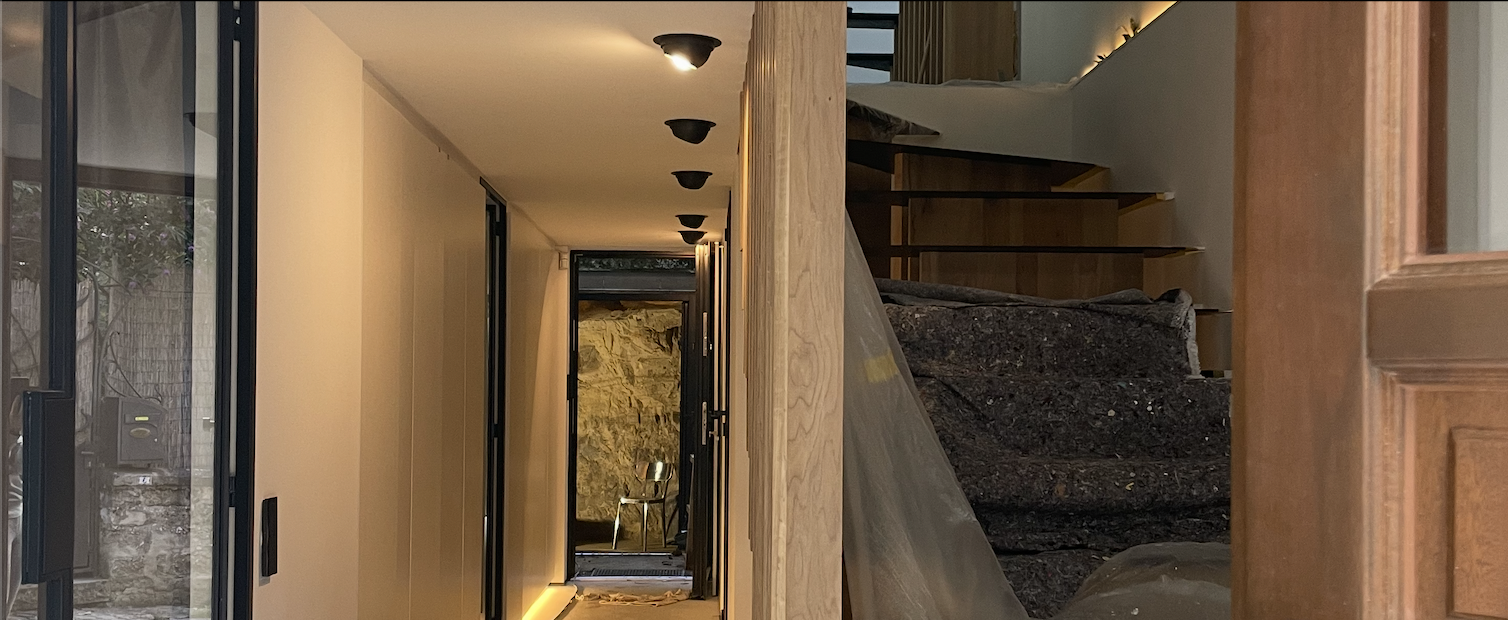
*full house designed and provided during renovation by Livetouch.design
IN THIS GUIDE
Why Buy a Fixer-Upper?
Due Diligence Before You Buy
Renovation Costs per m²
Building Permit Process
The Architect's Role
Subsidies & Klimabonus
3% Super-Reduced VAT
Full Project Timeline
Common Mistakes to Avoid
FAQ
Luxembourg has one of Europe's most expensive housing markets, with existing apartments in Luxembourg City averaging around €10,000 per m² as of early 2026. For many expats — especially those arriving with families and long-term plans — a new-build at those prices is simply out of reach. The logical alternative: buy an older, undervalued home and renovate it to modern standards.
This is not a simple proposition. House renovation in Luxembourg involves a distinct administrative culture, a tight labour market, permit rules that vary by commune, and a subsidy system — the famous Klimabonus — that most expats have never heard of. Get it right, and you can cut your total costs dramatically. Get it wrong, and you face stop-work orders, fines, or a renovation that costs twice what it should.
This guide, written by a practising architect registered with the Ordre des Architectes et des Ingénieurs-Conseils (OAI), walks you through every stage of the process in plain English.
62.5%
Max Klimabonus coverage for eligible energy works
3%
Super-reduced VAT on renovation (vs 17% standard)
€50k
Maximum potential Klimabonus payout on a large project
1. Why Buying a Fixer-Upper in Luxembourg Makes Financial Sense
Most of Luxembourg's housing stock was built between the 1960s and 1990s — a period when thermal insulation was virtually non-existent and oil or gas heating was the norm. These properties carry energy passport (CPE) ratings of E to I, making them the Grand Duchy's most energy-hungry buildings. They are also, by a wide margin, its most affordable.
Buyers of older properties in Luxembourg typically negotiate 3% to 6% off the asking price, with larger discounts available for homes in poor condition. That means you are starting from a lower base before renovations even begin. Add the state subsidy system and the 3% VAT regime (instead of 17%), and the economics of renovation can be surprisingly favourable — provided the project is managed professionally.
The key insight most expats miss: renovation subsidies in Luxembourg are specifically designed to reward buyers of old, inefficient homes. The Klimabonus system does not apply to new builds. It exists precisely to incentivise exactly the kind of deep energy retrofit that turns a draughty 1975 oil-heated house into a modern, comfortable, near-zero-energy home.
💡 Architect's Tip
Before submitting any offer on an older property, commission a preliminary energy audit (Energiepass assessment). This document, produced by an approved energy consultant, will map the full renovation potential of the property and form the basis of your Klimabonus application. The cost of the audit itself is subsidised.
2. Due Diligence Before You Buy: What to Check
Buying a fixer-upper in Luxembourg without professional due diligence is one of the most expensive mistakes an expat can make. Unlike the UK or the US, there is no mandatory pre-sale structural survey. The seller discloses known defects, but hidden issues — a cracked foundation, asbestos insulation, a sewage system that pre-dates the commune's network — are your problem once the notary deed is signed.
Technical checks to commission before making an offer
Energy Passport (Passeport Énergétique / Energiepass): Legally required for any property sale in Luxembourg, this document rates the building from class A++ (excellent) to I (worst). An older home rated F, G, H or I will require significant investment to become Klimabonus-eligible. However, this is also where the greatest subsidy opportunity lies.
Structural survey: Engage a licensed structural engineer or your architect to assess foundations, load-bearing walls, roof structure, and any signs of subsidence or water damage. In Luxembourg's clay-rich geology, foundation movement is not uncommon in older structures.
Asbestos and lead: Homes built before 1991 may contain asbestos in insulation, floor tiles, or roof materials. The presence of asbestos does not make a purchase impossible, but its safe removal adds €3,000–€15,000 to the project cost and requires licensed specialists.
PAG/PAP compliance: Your architect should check the commune's Plan d'Aménagement Général (PAG) and any applicable Plan d'Aménagement Particulier (PAP). These documents define what can be built, extended, or altered on the plot — including height limits, boundary setbacks, and protected areas (zones protégées).
Connection to utilities: Confirm the property is connected to the public sewer network. Rural properties are sometimes on septic systems that may require replacement to comply with current environmental standards.
⚠ Important Warning
In Luxembourg, works that require a building permit but are carried out without one expose the owner to a formal stop-work order, substantial fines, and potentially an obligation to demolish non-compliant elements at their own expense. The 3-month legal challenge period runs from the date the permit certificate is displayed on the building site.
3. Renovation Costs per m² in Luxembourg (2026)
Luxembourg's construction sector is structurally more expensive than neighbouring France, Belgium, or Germany, due to higher labour costs, a chronic shortage of skilled tradespeople, and quality standards that are genuinely demanding. Always budget a 10–20% contingency on top of your quotes — unexpected structural discoveries, price escalations, or revised scopes are the rule, not the exception.
Renovation TypeTypical ScopeCost per m²Light cosmetic
Paint, flooring, lighting, minor fixtures
€250–€750/m²
Partial renovation
Kitchen or bathroom replacement, electrical update
€750–€1,250/m²
Full structural renovation
Structural changes, new layout, all systems
€1,150–€2,500/m²
Energy renovation (house)
Insulation, heat pump, windows, ventilation
€800–€1,500/m²
Energy renovation (flat)
Shared works + individual measures
€400–€800/m²
Room-by-room cost breakdown (2026 market prices)
Room / Element
Budget range
NotesKitchen (12 m²) — standard €15,000–€40,000
3% VAT on eligible items saves ~€2,500
Bathroom — mid-range €8,000–€25,000
Waterproofing + tiling labour is significant
Attic conversion €30,000–€50,000
Structural check mandatory; permit required
External wall insulation (ITE) €20,000–€70,000
Depends on number of facades;
Klimabonus covers €60–€115/m²
Air-source heat pump (installed) €16,000–€24,000
Geothermal: €30,000–€40,000
Triple-glazed windows (per unit) €600–€1,800
Klimabonus: €70/m² of glazing replaced
Full thermal renovation (150m² house) €120,000–€250,000Up to €50,000+ covered by subsidies
For a complete energy renovation of an average single-family home in Luxembourg, the total budget typically ranges from €120,000 to €250,000 — but financial assistance can realistically cover 30% to 45% of that total cost when grants, VAT savings, and the Klimaprêt are combined.
4. The Building Permit Process in Luxembourg
The autorisation de bâtir (building permit) is a mandatory administrative step for any construction, transformation, or demolition in Luxembourg. It is issued by the mayor (bourgmestre) of the commune where the property is located — and since each of Luxembourg's 100 communes sets its own building regulations, the rules genuinely vary from one municipality to the next.
When is a building permit required?
A full permit is required for: construction of new buildings; extensions and significant structural modifications; changes to load-bearing walls, roof structure, or façade; changes of use; demolition; excavation and earthworks; and attic conversions. Interior-only works that do not affect load-bearing elements may only require a lighter déclaration de travaux (statement of works) — but always verify with your commune first.
📋 The PAG Check — Do This First
Before designing anything, your architect will consult the commune's PAG via the PAG-GEOPORTAIL digital portal. This reveals building height limits, permitted floor area ratios, setback requirements, and whether the property sits in a conservation zone (secteur protégé) — which triggers stricter rules for façade and roof changes.
The permit dossier: what's required
A standard building permit application includes: detailed architectural plans at 1:100 scale showing all levels, sections, and elevations; a site plan; the Energiepass (energy passport) for significant renovations; a hydraulics/drainage plan if you are modifying water systems; and the architect's attestation of legal compliance. The dossier is submitted to the commune's urban planning service.
Public display and objection period
Once submitted, the permit is publicly displayed for a minimum of 15 days at the commune hall. Any third party — a neighbour, a residents' association — may file a written objection within that window. The mayor examines objections before issuing a final decision. Objections do not automatically block the permit, but they can slow the process or force design changes.
Once granted, the permit certificate must be visibly posted on the building site throughout construction. Third parties have a 3-month window from that display date to challenge the permit through the administrative courts. Crucially, a permit expires if significant works have not commenced within 2 years — though a 1-year extension can be requested in writing.
5. The Architect's Role: Why You Cannot DIY a Permit
In Luxembourg, only an architect registered with the OAI — the Ordre des Architectes et des Ingénieurs-Conseils — is legally authorised to prepare plans and technical dossiers for a building permit application. There is a narrow exception for very small projects on private land costing under approximately €6,200 excl. VAT, but any renovation of substance requires OAI-registered professional involvement.
A good architect in Luxembourg is far more than a draughtsperson. Their role encompasses: verifying PAG/PAP compliance before a single sketch is drawn; preparing the full permit dossier; coordinating the Energiepass consultant and structural engineers; managing contractor selection and tender; acting as maître d'œuvre on site; and certifying legal conformity on completion. If you are serious about your renovation, engaging an architect from the very beginning — ideally before finalising the purchase — is money very well spent.
6. Luxembourg Renovation Subsidies: The Complete Guide
Luxembourg's subsidy ecosystem for residential renovation is genuinely one of the most generous in Europe. For expats unfamiliar with the system, this section is the most important in the entire guide. Understanding these incentives before you finalise your purchase can transform the financial case for buying an older home.
🏠 Klimabonus Wunnen
Up to 62.5%
State subsidy for energy renovation works — insulation, heat pumps, windows, ventilation, solar. Up to €50,000+ on a large project. Renewed and extended through 2030/2035.
⚡Enoprimes (Enovos)
10–20%
Additional grant from energy supplier Enovos for specific measures. Requires advance agreement in principle before works begin — do not skip this step.
🏛 Municipal Grants
Varies
Many communes offer their own top-up subsidies for renovation. Check with your specific municipality — some are substantially more generous than others.
💶 Klimaprêt (Climate Loan)
1.5% rate
State-subsidised loan where Luxembourg pays 1.5% interest, covering up to 10% of the principal. Available through approved banks including BGL BNP Paribas.
Klimabonus Luxembourg explained in English
The Klimabonus Wunnen is managed by the Administration de l'Environnement (AEV) and accessible via MyGuichet.lu. In its 2026 reformed version, the system works on a fixed-rate (forfait) logic per construction element: each type of eligible work gives a right to a fixed subsidy expressed in euros per m² or per installation. The more energy-efficient and eco-friendly the material chosen, the higher the grant — rewarding ambitious choices.
Key eligibility conditions:
Property age: The building must be more than 10 years old, calculated from the date of the original building permit. Properties built before 2016 are automatically eligible in 2026.
Energy class improvement: The renovation must improve the property's energy passport by at least 2 energy classes.
Primary residence only: The property must be used as a primary residence — by the owner or a tenant. Holiday homes and seasonal rentals are excluded.
Approved contractors: All works must be carried out by a company registered with the Chambre des Métiers, or supervised by a certified energy consultant.
Materials restriction (from 2026): Fossil-origin insulation materials are only subsidised if they contain more than 50% recycled content. Choosing bio-based materials (wood fibre, cork, hemp wool) can nearly double the Klimabonus payout on insulation items.
The 2026 reform also introduced new subsidies for green façades and roofs, eased requirements on insulation coverage percentages, and added pre-financing for photovoltaic installations — meaning you no longer have to advance the full cost and wait for reimbursement.
For a project costing €250,000, combined support (Klimabonus + municipal grants + VAT saving) could realistically amount to €50,000–€60,000.
⚠ Critical: Apply for "Accord de Principe" Before Works Begin
You must obtain an agreement in principle from the Guichet unique des aides au logement BEFORE starting any energy renovation works. Retrospective applications are not accepted. Your architect or energy consultant will prepare this submission, which must include the Energiepass report.
7. The 3% Super-Reduced VAT: A Hidden Treasure
Luxembourg applies a super-reduced VAT rate of 3% — compared to the standard 17% — to renovation works on primary residences over 10 years old. This is not a subsidy you apply for separately; it is applied directly to invoices by your registered contractor.
The maximum VAT saving is capped at €50,000 per property over its lifetime (i.e., you can recover up to €50,000 of the difference between 17% and 3% VAT). On a €200,000 renovation project, the saving versus the standard rate is approximately €28,000 — which is essentially free money for anyone renovating an older property as their primary residence.
Check your remaining cap via MyGuichet.lu before finalising your renovation budget. Purchasing a property where the previous owner has already used a portion of the cap reduces the benefit available to you.
8. Full Project Timeline: From Purchase to Move-In
A major renovation in Luxembourg typically takes 18 months to 3 years from purchase to completed occupancy. The administrative phases alone — permit application, public display period, appeal window — account for 3–6 months before a hammer is swung. Plan accordingly.
1 Pre-purchase due diligence ~4 weeks
Engage an architect and energy consultant before signing. Review the Energiepass, commission a structural survey, check the PAG, and model the renovation budget and subsidy potential. This phase can save you from a costly mistake or give you ammunition to renegotiate the purchase price.
2 Notarial purchase ~6–8 weeks after offer
The promesse de vente (sale agreement) is signed, then the final deed at the notary. Budget 7% of the purchase price in registration duties, though the Bëllegen Akt tax credit (up to €40,000 per buyer) may offset a significant portion if this is your primary residence.
3 Design and permit preparation 2–4 months
Your architect develops the full project brief, architectural plans, and technical dossier. The energy consultant prepares the Energiepass report for the as-designed renovated state. The Klimabonus accord de principe application is filed during this phase.
4 Building permit processing 2–4 months
The dossier is submitted to the commune. The 15-day public display and objection period runs. The mayor issues a decision. In Luxembourg City this can run to the longer end of the range; smaller communes are often faster.
5 Tender and contractor selection 6–10 weeks
Your architect prepares tender documents and invites quotes from registered contractors (Chambre des Métiers). In Luxembourg's tight labour market, plan for 4–6 weeks for quote responses and allow flexibility on start dates — good contractors are booked up months in advance.
6 Construction phase 6–18 months
Depending on scope. Your architect acts as maître d'œuvre, managing site coordination, quality control, and invoice certification. The permit certificate is displayed on the building site throughout. Any third-party challenges must arrive within 3 months of that display.
7 Completion and subsidy claims 2–3 months
The as-built Energiepass is produced and submitted to the commune within 2 months of occupancy. Klimabonus liquidation applications are filed within 4 years of the invoice year-end. Final sign-off on VAT treatment. Move in and enjoy your newly renovated home.
9. The 7 Most Expensive Mistakes Expats Make
1 Starting works before obtaining the permit
The consequences — stop-work order, demolition obligation, fines — are severe and well-enforced in Luxembourg. No exceptions. Never break ground before the autorisation de bâtir is in hand.
2 Missing the Klimabonus accord de principe window
The accord de principe must be filed before works start. You cannot claim Klimabonus retroactively. Many expats discover this after the fact — and lose tens of thousands of euros in subsidy eligibility.
3 Not checking the PAG before purchase
A property may look perfect for your vision — until you discover the PAG prohibits the extension you planned, or that the site falls in a conservation zone that restricts material choices and façade colours.
4 Hiring unregistered contractors
Works carried out by companies not registered with the Chambre des Métiers are not eligible for the 3% VAT or Klimabonus subsidies — and you assume full liability for defects with no recourse.
5 Underestimating the contingency budget
In Luxembourg's older housing stock, unexpected discoveries — asbestos, undersized foundations, non-compliant electrical systems, hidden damp — are extremely common once walls open. Build in 15–20% contingency, not 5–10%.
6 Choosing fossil insulation materials without checking eligibility
From 2026, fossil insulation is only Klimabonus-eligible if it contains over 50% recycled content. Choosing bio-based alternatives (wood fibre, cork) not only qualifies you for the full grant but can nearly double the per-m² payout.
7 Not requesting the Enoprimes agreement before accepting quotes
Enovos requires its agreement in principle to be in place before you formally accept contractor quotes. If you sign contracts without it, you may be refused the Enoprimes grant even if your works are otherwise eligible.
10. Frequently Asked Questions
How much does a full house renovation cost per m² in Luxembourg?
A full structural renovation in Luxembourg costs between €1,150 and €2,500 per m² in 2026. A complete energy renovation of a single-family home typically runs €800–€1,500/m², or €120,000–€250,000 in total for a 150 m² property — before subsidies.
Do I need an architect for renovation in Luxembourg?
For any renovation requiring a building permit, yes — only an OAI-registered architect can prepare the technical dossier. The exception is very small projects costing under ~€6,200 excl. VAT. For any significant renovation, an architect is not just legally required but practically indispensable for navigating permits and subsidy applications.
What is the Klimabonus and how do I apply as an expat in Luxembourg?
The Klimabonus Wunnen is Luxembourg's national energy renovation subsidy, covering up to 62.5% of eligible works (insulation, heat pumps, windows, ventilation, solar). Applications are made via MyGuichet.lu. You must first obtain an accord de principe before works begin. The property must be over 10 years old, used as a primary residence, and must improve by at least 2 energy classes. Any EU resident who owns an eligible property in Luxembourg can apply.
How long does a building permit take in Luxembourg?
Building permit processing in Luxembourg typically takes 2 to 4 months, including the mandatory 15-day public display and objection period. Luxembourg City tends toward the longer end; smaller communes can be faster. A well-prepared dossier — with all supporting documents correctly assembled — is the single biggest factor in avoiding delays.
Can I benefit from 3% VAT on renovation as a non-Luxembourger?
Yes. The 3% super-reduced VAT applies to the property, not the owner's nationality. Any renovation of a residential property over 10 years old used as a primary residence qualifies — whether the owner is Luxembourgish or an expat. The contractor applies it directly on their invoices.
What is the Bëllegen Akt tax credit?
The Bëllegen Akt is a purchase tax credit of up to €40,000 per buyer (€80,000 for a couple) applied against the 7% registration duty when buying a primary residence in Luxembourg. It significantly reduces the cost of acquisition and is available to any buyer of any nationality purchasing their primary home.
Key Resources & Official Links
All subsidy applications run through MyGuichet.lu — Luxembourg's official e-government portal. For energy advice, the Klima-Agence (klima-agence.lu) offers free personalised consultations. PAG/PAP checks are available via the PAG-GEOPORTAIL digital planning tool. Registered architect searches are on OAI.lu.
📞 Free Energy Advice AvailableKlima-Agence offers free, personalised energy consultations in Luxembourg — available in French, Luxembourgish, German, and English. Before commissioning any technical study, a free session with a Klima-Agence adviser is a sensible first step that many expats don't know about.
Conclusion: Renovation in Luxembourg Is Hard — But Very Rewarding
House renovation in Luxembourg is complex, expensive, and heavily regulated. There is no sugar-coating that reality. But for expats willing to engage the right professionals, understand the system, and plan with patience, it is also one of the most financially and personally rewarding paths to homeownership in the Grand Duchy.
The convergence of a generous subsidy regime, a 3% VAT rate, a market that discounts older properties significantly, and a genuine shortage of move-in-ready homes means that buying a fixer-upper in Luxembourg is, in many cases, the only route to a well-located, well-sized home at a price that makes long-term sense.
The key is preparation: engage your architect before you sign, commission your Energiepass early, apply for subsidy agreements before the first tool touches the building, and budget honestly for the full process. Done right, you will emerge on the other side with a home that is deeply personal, energy-efficient, and significantly more valuable than when you started.